
Confused by Alt-text for images for document and web accessibility? Find out which images need Alt-text, how to write good Alt-text, how long it should be and how to add it to web and InDesign images. Also find out lots of Alt-text tips for images.
 Stop being confused about accessibility. Get started quickly and in plain English.

Confused by Alt-text for images for document and web accessibility? Find out which images need Alt-text, how to write good Alt-text, how long it should be and how to add it to web and InDesign images. Also find out lots of Alt-text tips for images.

When you design documents destined for both print and the web, if all you do is export your layout files to low- and high-resolution PDFs, you’re missing out on providing a better experience for readers of PDFs or print and a higher value to your clients. Learn how to make PDF and print documents more user friendly.
How to Make PDF and Print Documents More User Friendly: Read or Listen
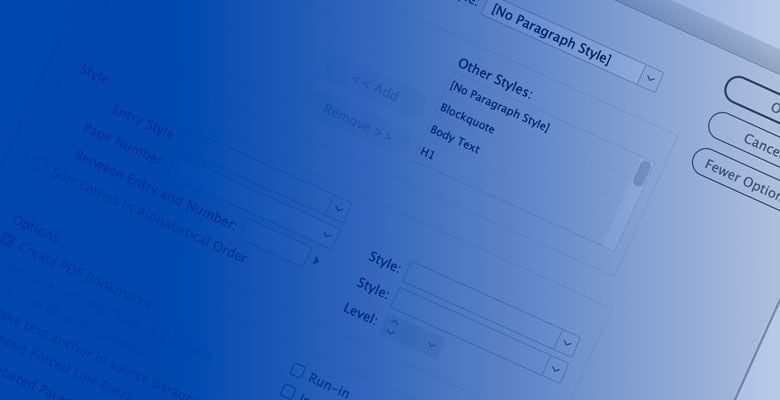
Many graphic designers avoid using InDesign’s automated table of contents feature. But there are several problems with creating a table of contents manually. Find out 6 reasons designers should use InDesign’s automated table of contents feature.
6 Reasons to Use InDesign’s Automated Table of Contents: Read or Listen

Excessive design and text edits from clients can be frustrating and a time suck for graphic designers. They can derail a project and make it less profitable. Find out 9 ways to reduce client revisions and have a happier client relationship.
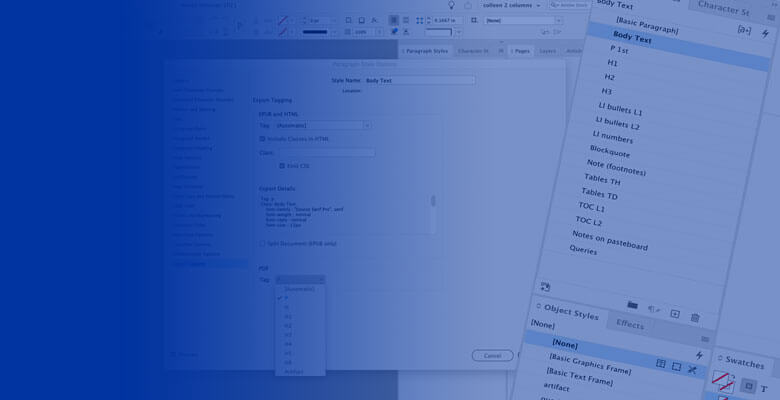
Many designers who think they’re creating accessible InDesign files and PDFs really aren’t. Other designers, who are looking for help with document accessibility, don’t understand the process, which can cost their clients. Find out 9 InDesign accessibility mistakes designers make and how to correct them.
9 InDesign Accessibility Mistakes Designers Make: Read or Listen

Have you ever sent off a design proof only to have the client not like it and ask for a bunch of design changes? Find out what to do when a client doesn't like your designs.
What to Do When a Client Doesn’t Like Your Designs: Read or Listen
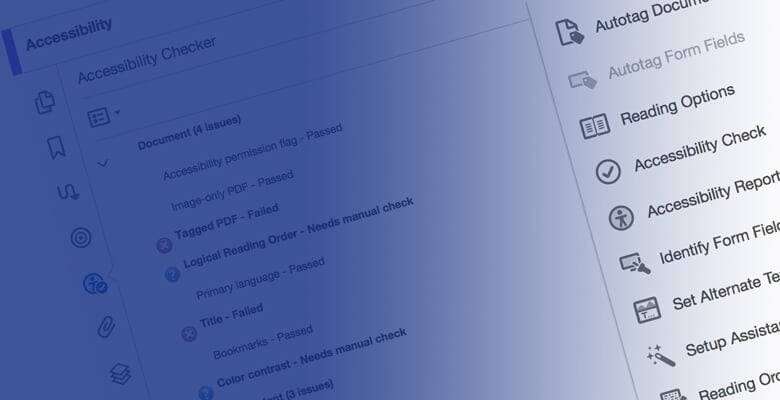
Many designers rely on Acrobat’s accessibility checker to determine whether their PDF files are accessible or not. But like other automated checkers, it has limitations and can give false positives. Find out some things to look for and how to ensure your documents are accessible.
The Limitations of Acrobat’s Accessibility Checker: Read or Listen

Do clients often point out that you missed some of their edits in page proofs? I've got a bulletproof process to help you stay on top of them. These tips on how to manage client revisions to design proofs will help you save face and save time and will make for an easier revision process.
How to Manage Client Revisions to Design Proofs: Read or Listen

Are you neglecting paper’s place in the print design process? Do you leave it up to the client or the printer? If so, that means you may not be making necessary color adjustments for different papers. That can result in an unsightly and costly error. But it also means you’re missing out on such a cool part of the design process! Find out the importance of paper choice in the print design process, the different types of paper and finishes, how to choose paper for a design project and some ways you can incorporate paper into the design process for added creativity.

Most designers don’t think about accessibility, but it affects branding, design, documents and websites. It’s a great way to differentiate yourself from other designers while helping your clients reach more people and legally protecting them.
Hang out and get advice from designers of all levels in our welcoming community of graphic designers on Facebook.